
Music therapy
Music therapy
Thoughtful use of live music to support connection, comfort, and participation—led by trained professionals. Sessions are private conversations and music time, not a sales pitch and not a substitute for medical care.
What music therapy means here
Music therapy uses music on purpose to support emotional well-being, relationship, and quality of life. A qualified therapist chooses songs, instruments, and activities to match the person in the room—not a generic playlist in the background. At Dynamic Fine Arts Academy, we explain plans in everyday language and move at a pace families can follow.
Who may benefit
We often work with older adults and the family members who support them, including when memory, mood, or daily routines have become harder. Care partners are welcome to be part of the process so everyone feels safe and heard. If you are unsure whether this service fits your situation, we would rather talk that through with you than leave you guessing.
What sessions can look like
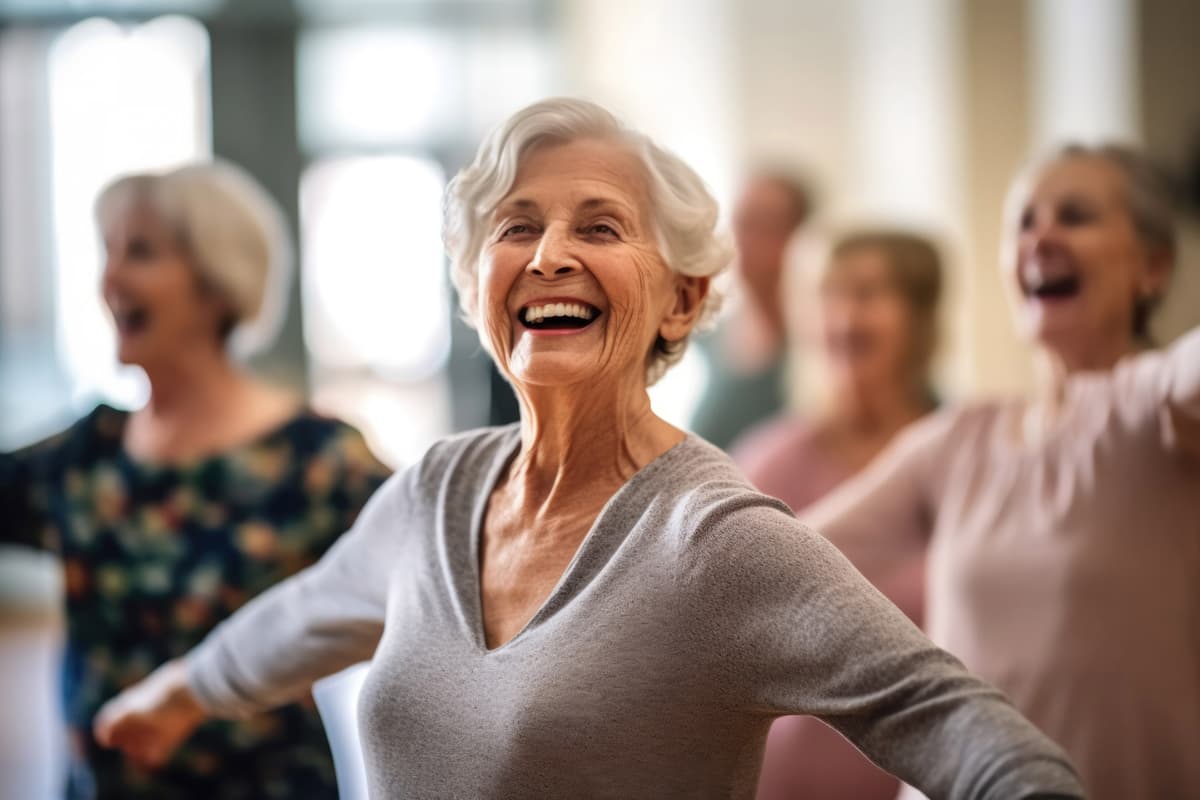
A visit might include familiar songs, gentle singing or humming, rhythm with simple instruments, or quiet listening—always based on the client’s abilities that day and what the therapist is working toward with you. Some sessions focus on staying engaged and connected; others on calm, comfort, or celebrating small moments together. We adapt when someone is tired, distracted, or needs a shorter visit.
How to reach out—and what happens next
Start with a call, text, or email to our Pacific studio. Share who would attend, a good way to reach you, and any scheduling needs. You do not have to give a full medical history in the first message—we only ask what helps us respond with care. We will describe fees, how often visits might occur, and whether a meeting makes sense before sessions begin. Your doctor’s direction and medical plan stay in charge; music therapy supports the human side of care alongside that work.